
When is Home Demolition the Best Option Over Renovation?
Deciding whether to tear down a house or invest in renovating it is rarely straightforward. Homeowners often face this dilemma when a property shows signs of age, structural decline, or no longer fits modern living needs. Renovation can be appealing because it preserves the existing structure, but in some cases, it becomes more expensive and complex than starting fresh.
In today’s housing market, this decision is also influenced by broader trends. According to US News, real estate company Clever reported in 2024 that 28% of homebuyers wound up purchasing a fixer-upper. That statistic highlights how many buyers are willing to take on renovation projects, even when properties require significant work. However, not every home is a good candidate for restoration.
This is where evaluating structural integrity, long-term costs, and feasibility becomes essential. In many cases, consulting with local demolition contractors early in the process helps clarify whether a home is worth saving or better replaced entirely.
What Are The Signs That Home Demolition Should Be Considered?
Several warning signs indicate when renovation may no longer be the most practical solution. Severe structural damage is one of the clearest indicators. If a foundation is compromised, walls are bowing, or the framing has extensive rot, repairs can quickly become cost-prohibitive. In such cases, homeowners often turn to local demolition contractors to assess whether a full teardown is more reasonable than patchwork fixes.
Another major factor is outdated systems. Homes with failing electrical wiring, obsolete plumbing, or widespread mold issues can require extensive remediation that rivals the cost of rebuilding. When these issues overlap, working with local demolition contractors can help determine if the property is beyond economical repair.
Layout limitations also play a role. Older homes may have compartmentalized floor plans that do not meet modern lifestyle needs. If multiple walls would need removal—especially load-bearing ones—the scope of renovation increases significantly. In these situations, local demolition contractors often provide insight into whether starting from scratch would be more efficient.
Ultimately, when repair costs approach or exceed the value of the home, demolition becomes a serious consideration rather than a last resort.
How Do Costs Compare Between Home Demolition And Renovation?
Cost is often the deciding factor when homeowners evaluate whether to renovate or rebuild. Renovations can seem less expensive initially, but unexpected issues frequently arise once construction begins. Hidden water damage, outdated infrastructure, and code compliance upgrades can quickly inflate budgets.
Home demolition, while seemingly drastic, can sometimes offer more predictable costs. Local demolition contractors typically provide upfront estimates based on square footage, material type, and disposal requirements. This allows homeowners to better understand total project expenses before committing.
Renovation costs, on the other hand, can escalate unpredictably. For example, opening walls may reveal electrical or plumbing systems that no longer meet code, requiring immediate replacement. In contrast, demolition resets the property entirely, allowing for modern construction standards from the ground up.
However, demolition is not always cheaper. Permits, debris removal, and site preparation can add significant expenses. That’s why homeowners often consult local demolition contractors early to compare detailed cost projections against renovation bids.
In some cases, the comparison becomes clearer when factoring in long-term value. A newly built home may offer better energy efficiency, lower maintenance costs, and increased resale value compared to a heavily renovated older structure.
What Role Do Local Demolition Contractors Play In The Process?
Local demolition contractors play a critical role in evaluating, planning, and executing demolition projects safely and efficiently. Their expertise goes beyond simply tearing down structures—they assess risks, ensure regulatory compliance, and manage hazardous materials.
In the early stages, local demolition contractors inspect the property to determine structural stability and identify any environmental hazards such as asbestos or lead-based paint. These assessments help shape the demolition plan and ensure safety standards are met.
They also coordinate permits and adhere to local building codes, which can vary significantly by jurisdiction. Without proper guidance from local demolition contractors, homeowners may face delays or legal complications during the demolition process.
Additionally, these professionals manage heavy equipment, utility disconnections, and debris removal. Their role ensures that the site is cleared efficiently and prepared for future construction.
For homeowners still weighing renovation versus rebuilding, local demolition contractors often provide valuable feasibility insights. Their assessments can reveal whether partial demolition, full teardown, or renovation is the most practical path forward.
Are There Environmental Considerations When Deciding To Demolish?
Environmental impact is an increasingly important factor in demolition decisions. Traditional demolition methods can generate large amounts of waste, but modern practices are becoming more sustainable through recycling and material recovery.
Many materials from demolished homes—such as concrete, metal, and wood—can be salvaged and reused. Local demolition contractors often work with recycling facilities to reduce landfill waste and improve environmental outcomes. This helps minimize the ecological footprint of tearing down a structure.
Energy efficiency is another consideration. Older homes may be poorly insulated and require significantly more energy to heat and cool. Rebuilding with modern materials can reduce long-term environmental impact by improving efficiency. New construction also allows for the integration of energy-efficient systems such as advanced insulation, high-performance windows, and modern HVAC designs that further reduce lifetime energy consumption.
Site contamination is also a concern in older properties. If hazardous materials are present, careful removal and disposal are necessary to prevent environmental damage. Local demolition contractors are typically trained to handle these situations in compliance with environmental regulations. This includes proper handling of asbestos, lead-based paint, and contaminated soil when applicable.
Ultimately, while demolition does have environmental costs, strategic planning and modern practices can significantly reduce its impact. Reuse of materials and improved construction standards both play a role in making demolition a more sustainable choice when it is properly managed.
What Is The Typical Process For Hiring Local Demolition Contractors?
Hiring the right professionals is a key step in ensuring a safe and successful demolition project. The process typically begins with research and consultation. Homeowners should gather multiple estimates from local demolition contractors to compare pricing, timelines, and services offered.
Once a contractor is selected, an on-site evaluation is conducted. During this phase, local demolition contractors assess the structure, identify potential hazards, and outline a detailed demolition plan. This includes determining whether full or partial demolition is required.
Next, permits are obtained. Depending on local regulations, demolition projects may require approvals from city or county agencies. Experienced local demolition contractors usually handle this process on behalf of the homeowner.
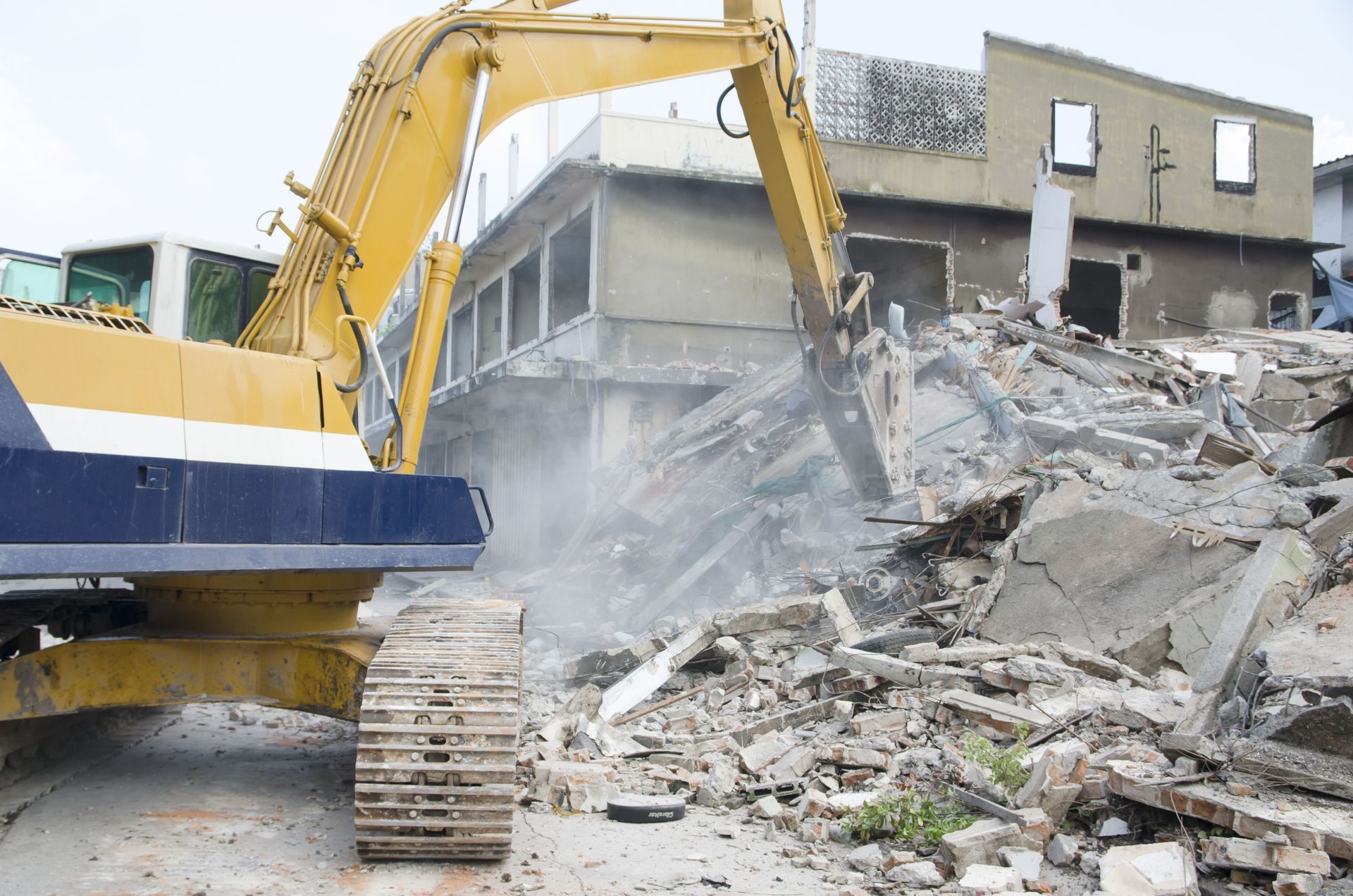
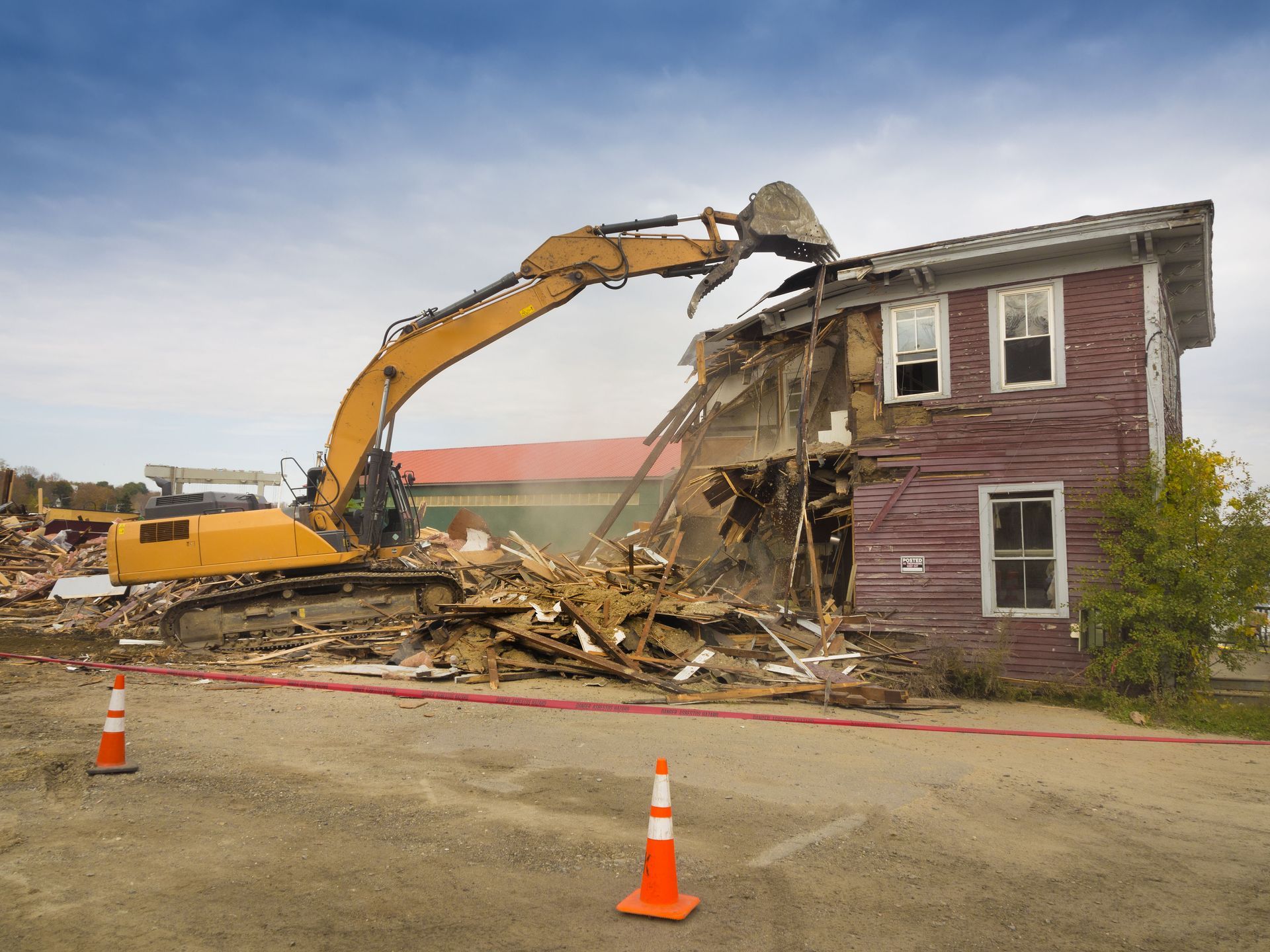
After approvals are in place, utilities such as water, gas, and electricity are safely disconnected. The demolition phase then begins, often using heavy machinery to systematically dismantle the structure.
Finally, debris is removed, and the site is cleared for future use. Throughout the process, local demolition contractors ensure compliance with safety standards and environmental guidelines.
Choosing between renovation and demolition depends on structural conditions, financial considerations, and long-term goals. While renovation may work for many properties, there are situations where starting fresh is more practical and cost-effective. Careful evaluation, especially with input from professionals, helps ensure the right decision is made. In many cases, consulting
local demolition contractors early provides the clarity needed to move forward confidently with either path. If you're looking for experienced demolition contractors, reach out to the team at Sovereign Excavation & Construction Solutions today!
Share On: