5 Questions to Ask Before Hiring an Excavation Contractor
Excavation is a crucial first step in many construction projects, and selecting the right excavation contractor can make all the difference in quality and efficiency. With large-scale projects like building foundations and land grading, understanding your contractor's capabilities is vital. Each prospective contractor may differ in their approach, technology, expertise, and safety measures, which is why specific questions must be asked. This article will guide you through the essential queries to ensure the right choice for your excavation needs.
1. What Is Their Experience in the Field?
When hiring an excavation contractor, assessing their experience in the field is imperative. Contractors with a lengthy track record are likely to have encountered a variety of challenges, providing them with the knowledge to handle unique situations effectively. Ask them about their years of operation and which types of projects they have primarily concentrated on. Practical examples of past projects can demonstrate their expertise, especially if their portfolio includes work similar to what you require. Obtaining recommendations and references from previous clients will further validate their competence and reliability.
A deep dive into the contractor's specialization is essential, as excavation covers a multitude of services such as trenching, grading, and drainage. A specialized excavation contractor may have the edge in certain types of terrain or project requirements, bringing an additional layer of expertise. It's also critical to explore any certifications or industry recognitions the contractor holds, as these accolades can indicate a commitment to quality standards. Furthermore, evaluating their reputation within the industry can provide insights into their work ethics and customer satisfaction. Asking for detailed examples and outcomes of past projects helps paint a thorough picture of their experience spectrum.
With various excavation needs, it's beneficial to understand if the excavation contractor specializes in certain excavation techniques or environments. A contractor may have substantial experience in urban settings but less so in rural or rocky terrains. According to HomeGuide, excavation can take from one to three days for small projects and extend up to three weeks for larger, more complex ones, reinforcing the need for experienced professionals in challenging settings like rocky soils. These timelines highlight the importance of choosing a contractor who can manage the duration effectively given the specific project context. As demand for specialized excavation skills increases, knowing the contractor's background ensures that they can deliver within the desired timeframe and quality expectations.
2. What Is Their Approach to Project Planning?
A contractor's approach to project planning is a cornerstone of successful excavation work. Initial site evaluation sets the stage for a structured work process, making it important to discuss how the excavation contractor plans and assesses site conditions. This stage typically involves geological assessments, soil testing, and determining any potential hazards that could affect the excavation. A solid understanding of how they leverage technology during planning can reveal a commitment to efficiency and quality. The use of satellite imagery, drones, and advanced surveying methods are indicators of a forward-thinking approach.
The timeline estimation is another area where thorough questioning pays off. Reliable contractors will provide detailed timeline estimates, incorporating contingencies for delays, particularly in cases involving unexpected site conditions or weather changes. Coordination with other contractors is also a key component, making it indispensable for the excavation contractor to have established communication protocols. Their capability to adapt and adjust plans as unexpected challenges arise is an important factor for project continuity. This flexibility can be assessed by asking about past situations in which they had to alter project plans and how those changes were managed.
Exploring their technology use extends beyond planning into the execution phase. Infrastructure projects today benefit immensely from advancements in digital modeling and predictive analytics, which help contractors anticipate potential issues before they become costly problems. Technology integration can reduce the excavation period, decreasing the disruption time frame, particularly in intricate or rocky terrains. With the right technology, projects can be completed more efficiently and with fewer unexpected hiccups along the way.
3. What Safety Practices Do They Follow?
Safety is an uncompromising aspect of excavation projects due to the inherent risks involved. It is essential to ask prospective contractors about their adherence to safety regulations and whether they have a comprehensive safety plan in place. Understanding these safety standards will ensure the excavation contractor is not only compliant but also proactive in hazard prevention. Investigation into their training programs offers insights into how they prepare their workforce against potential site dangers. Regular safety drills and updated training on equipment handling and emergency responses are key indicators of their commitment to safety.
Each contractor's safety record should be scrutinized. A historical review of any accidents or safety breaches provides clarity on how safety-conscious a contractor truly is. Contractors boasting clean safety records, backed by data on how they manage and report incidents, build trust and reliability. Moreover, the implementation of Personal Protective Equipment (PPE) for all personnel is non-negotiable and should be strictly enforced. Discuss how they integrate safety audits and incident reporting protocols within their operations, ensuring they have an actionable plan in case of emergencies.
4. How Do They Estimate and Manage Costs?
Understanding how an excavation contractor estimates and manages costs is essential to staying within budget for an excavation project. Transparency in the bidding and quotation process is a key indicator of the contractor's integrity and commitment to fairness. It's crucial to analyze their cost estimation methodologies, ensuring they factor in all potential variables and unforeseen expenses. Knowing exactly what is covered in your cost estimate, versus what might incur additional charges, can save from future financial surprises. Moreover, a contractor should provide comprehensive breakdowns of costs along with mechanisms to manage budget overruns.
Budget management is especially relevant for tackling potential cost escalations. Effective contractors employ various strategies to keep projects within budget, such as value engineering and cost-efficiency practices. They should demonstrate an ability to assess less expensive alternatives without compromising quality or safety. Payment plans and financial terms should also be discussed in detail to align with your project's financial parameters. Being able to identify and leverage cost-saving opportunities, while maintaining standards, is a valuable trait in an excavation contractor.
5. What Equipment and Technology Are Used?
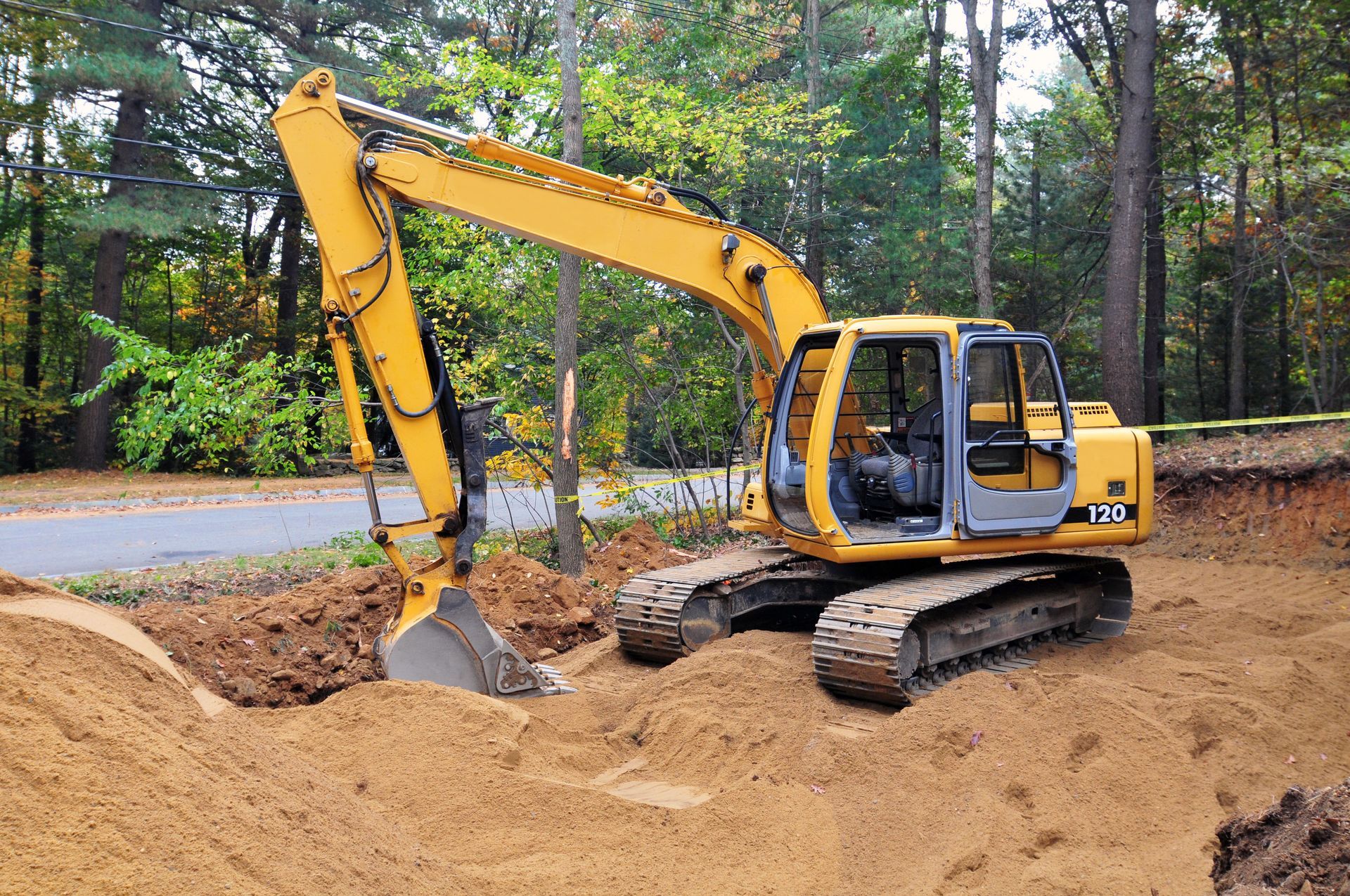
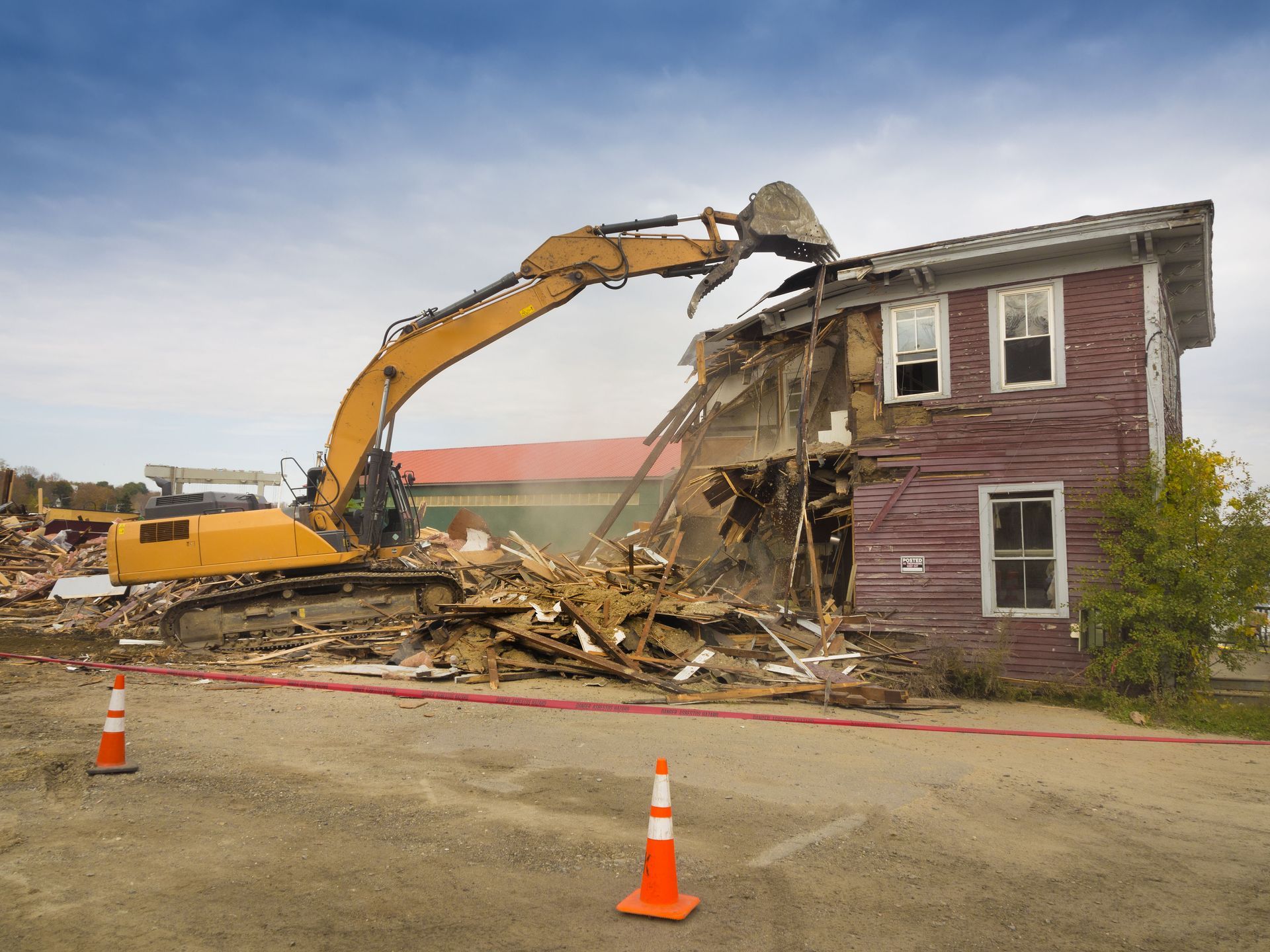
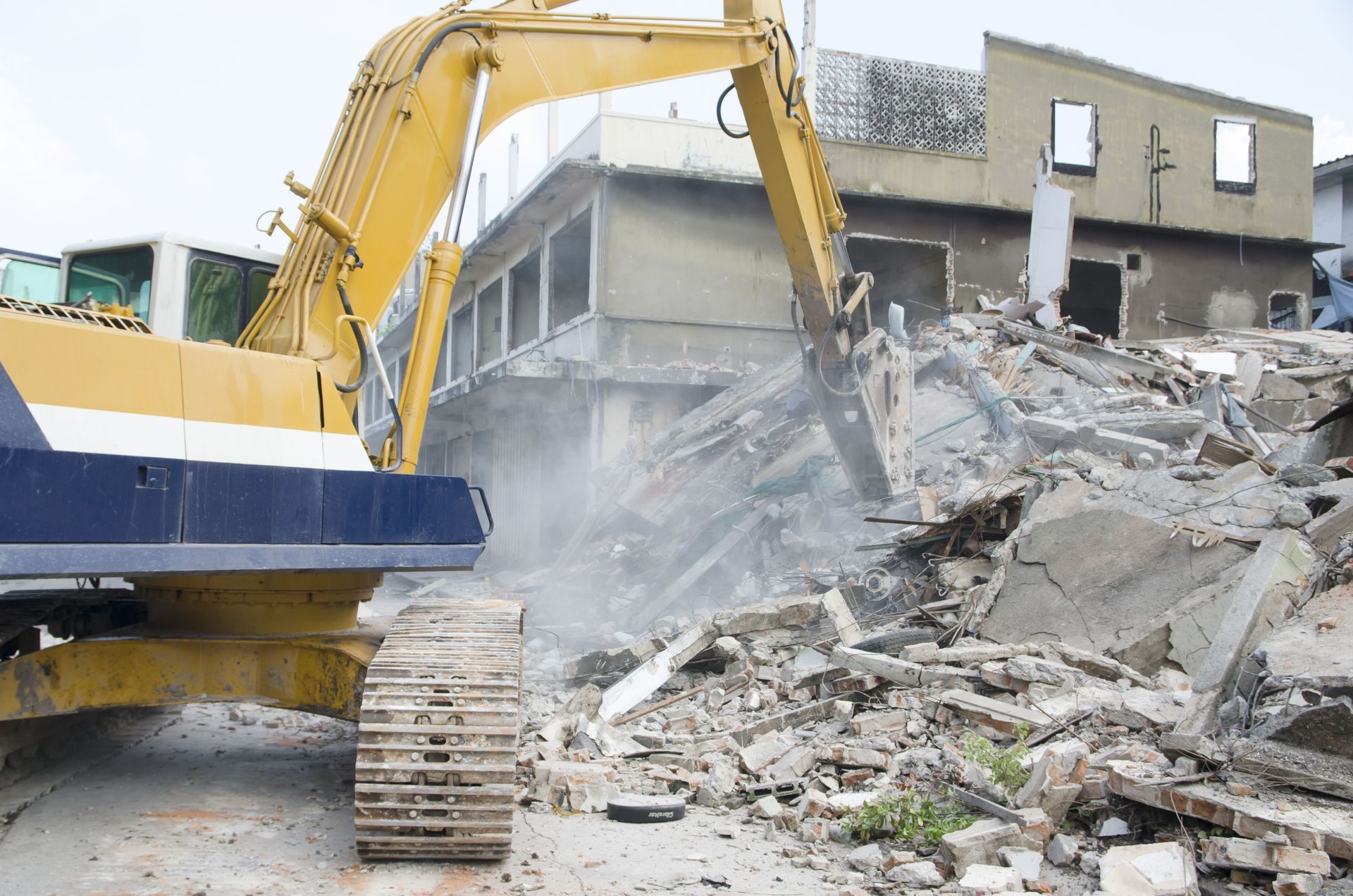
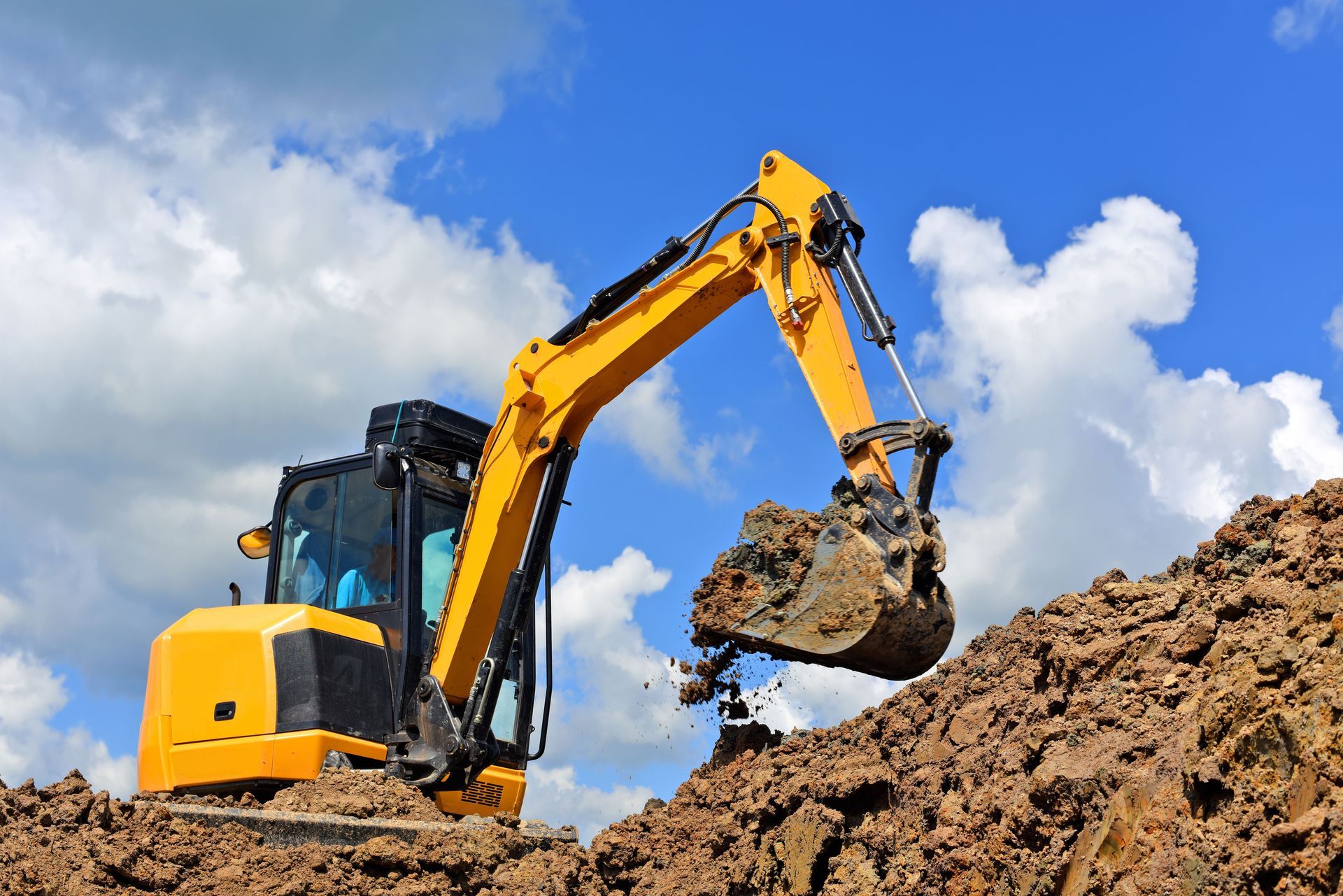
An excavation contractor's inventory and technological capabilities significantly influence project outcomes. Modern equipment can reduce time frames and increase precision, playing an essential role in the contractor's ability to deliver quality work. Review the contractor's collection of machinery and their policies on equipment maintenance and upgrades. Regular maintenance programs ensure machinery operates efficiently and safely, minimizing downtime or unexpected breakdowns. Additionally, inquire about the technology they leverage, such as drones and GPS, which can lead to more effective project management.
The expertise of operators is another critical component of this inquiry. Qualified staff with certifications in equipment operation means a higher standard of work and a reduced risk of accidents. It's imperative that contractors invest in continuous operator training to stay abreast of latest technological advancements and operational techniques. Furthermore, the adaptability of equipment to various project types and terrains must be considered, especially in areas requiring specific excavation techniques due to complex soil composition or environmental restrictions. Understanding these facets reassures that contractors are equipped to meet all project demands.
The right excavation contractor not only has a robust comprehension of technical skills and safety measures, but also excels in communication, cost management, and technology use. A strategic approach to selecting a contractor is fundamental to mitigating risks inherent in excavation projects. By asking these comprehensive questions, you are equipping yourself with the necessary insights to wise decision-making, leading your project to a thriving and secure completion. If you're looking for a dependable excavation contractor, contact Sovereign Excavation & Construction Solutions today.
Share On: