What to Expect When Working with a Professional Demolition Contractor
The demolition phase in construction and renovation projects often requires the expertise of seasoned professionals. A professional demolition contractor plays a crucial role in safely tearing down structures, removing debris, and preparing a site for future development. With the construction industry continuing to evolve, the demand for skilled professionals remains steadily strong. According to IBISWorld, the excavation contractors industry is experiencing growth, with a compound annual growth rate of 0.5% between 2020 and 2025, highlighting continued stability and expansion across the construction sector.
Working with a demolition contractor gives homeowners, property managers, and developers peace of mind knowing the job is being handled safely, legally, and efficiently. Whether the project involves a small residential teardown or a massive commercial removal, these professionals bring specialized expertise and equipment to navigate everything from environmental regulations to structural challenges.
Understanding The Scope Of The Project
Before any machinery is fired up, a demolition contractor begins with a clear and detailed assessment of the project’s size, type, and goals. This step helps determine whether the job requires selective demolition, where only specific sections of the building are removed, or a full teardown that takes the structure down to the foundation. Each project comes with its own set of challenges, and understanding the scope upfront helps establish what tools, staffing levels, safety measures, and support equipment will be needed. The contractor may also evaluate structural integrity, accessibility for heavy machinery, and logistical factors such as site access and debris transport. All of this information allows the team to create a realistic timeline and avoid unnecessary delays once the work begins.
During this early stage, the contractor will also evaluate environmental and regulatory requirements, especially for projects in urban or sensitive areas. This includes checking for hazardous materials such as lead, asbestos, or chemicals that must be safely removed before demolition proceeds. Soil stability, nearby properties, and community impact are also taken into consideration. A professional demolition contractor understands the potential risks involved and works to minimize disruption while keeping the project fully compliant with local and federal laws. This attention to detail ensures that the project starts on a solid foundation, both legally and operationally.
Initial Consultation And Planning
After the project objectives are understood, the next step is a detailed consultation that sets the foundation for a successful working relationship. This meeting allows clients to openly discuss expectations, concerns, deadlines, and budget, giving them the chance to voice their priorities and goals. It’s also an opportunity to establish communication preferences early on, such as how often updates will be provided and through what channels. A good demolition contractor will take the time to answer questions, provide guidance based on experience, and ensure that the client feels informed and confident moving forward. This transparency builds trust and helps eliminate the uncertainty that can sometimes surround construction and demolition projects. The contractor will also explain how each phase of the demolition will unfold, giving clients a clear picture of what to expect before the first piece of equipment arrives on-site.
Following the consultation, a detailed project plan is created. This plan outlines project timelines, necessary equipment, required permits, safety strategies, and waste management procedures. In many cases, the contractor may also identify cost-saving opportunities or potential risks that clients should be aware of before work begins. Budget discussions are transparent, giving clients a realistic breakdown of labor, hauling, disposal fees, regulatory requirements, and contingencies that may affect the final cost. By front-loading planning and communication, the demolition contractor helps the project run smoothly, stay on schedule, and reduce the likelihood of unexpected setbacks that could disrupt the demolition process.
Selecting The Right Equipment And Methods
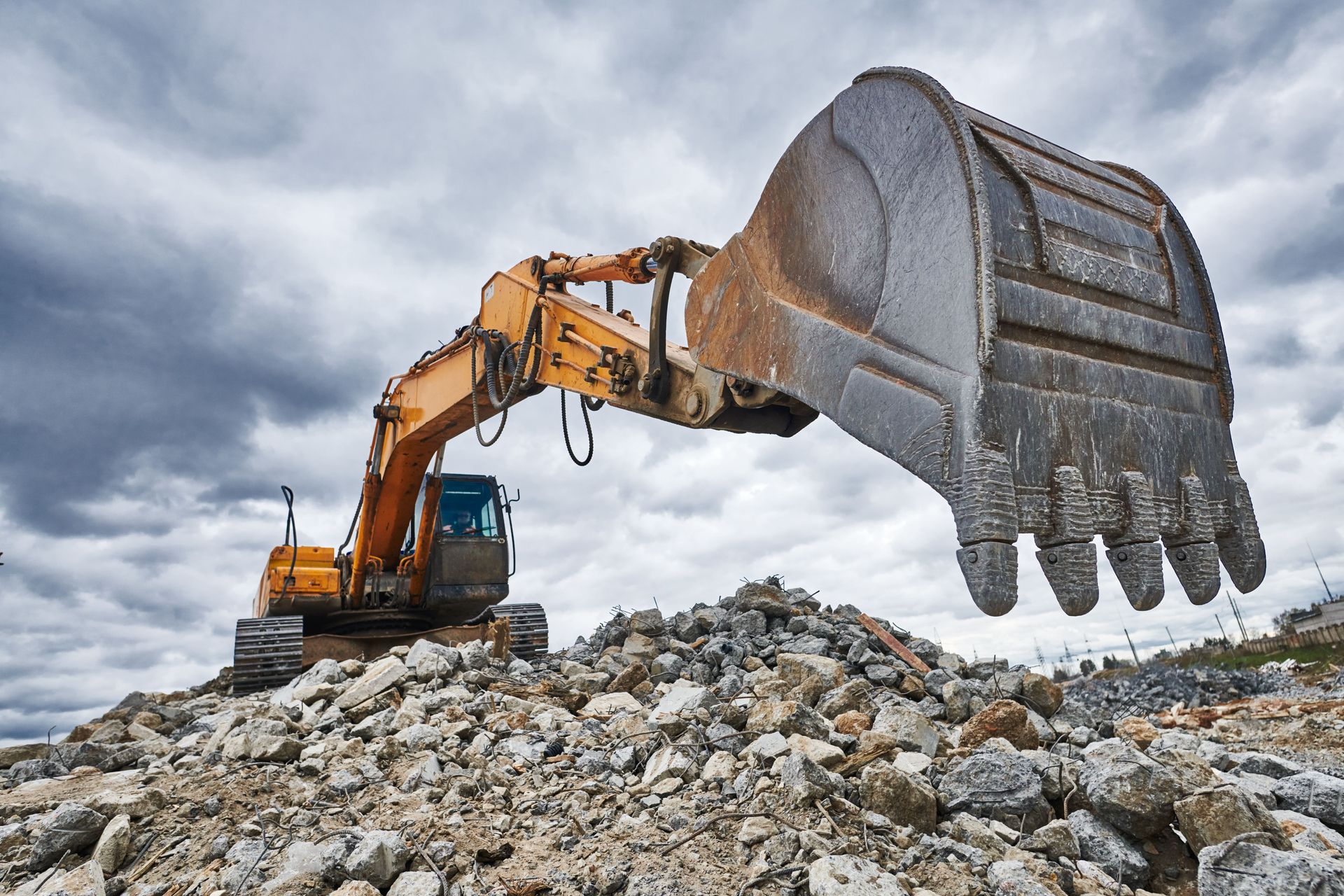
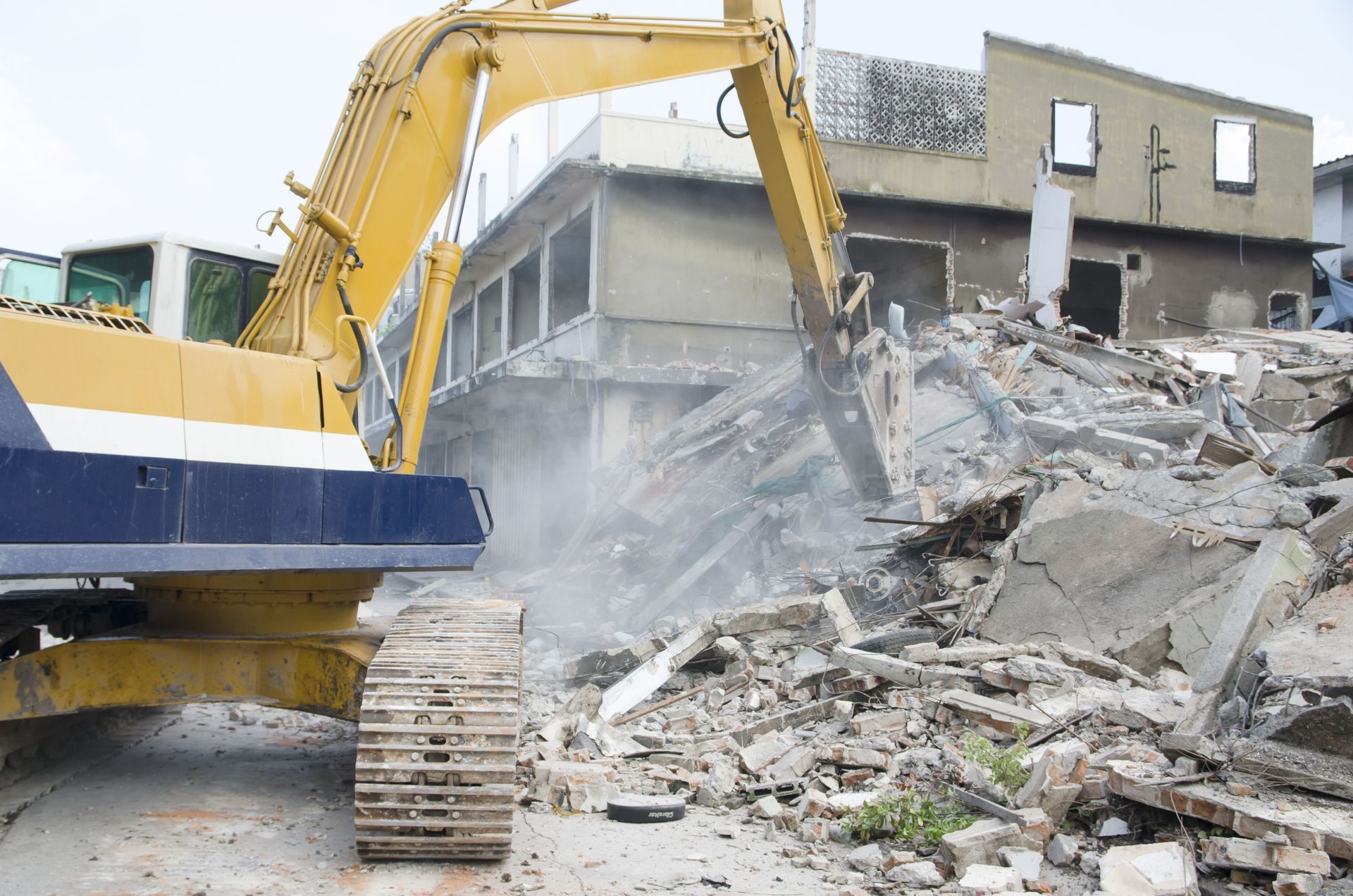
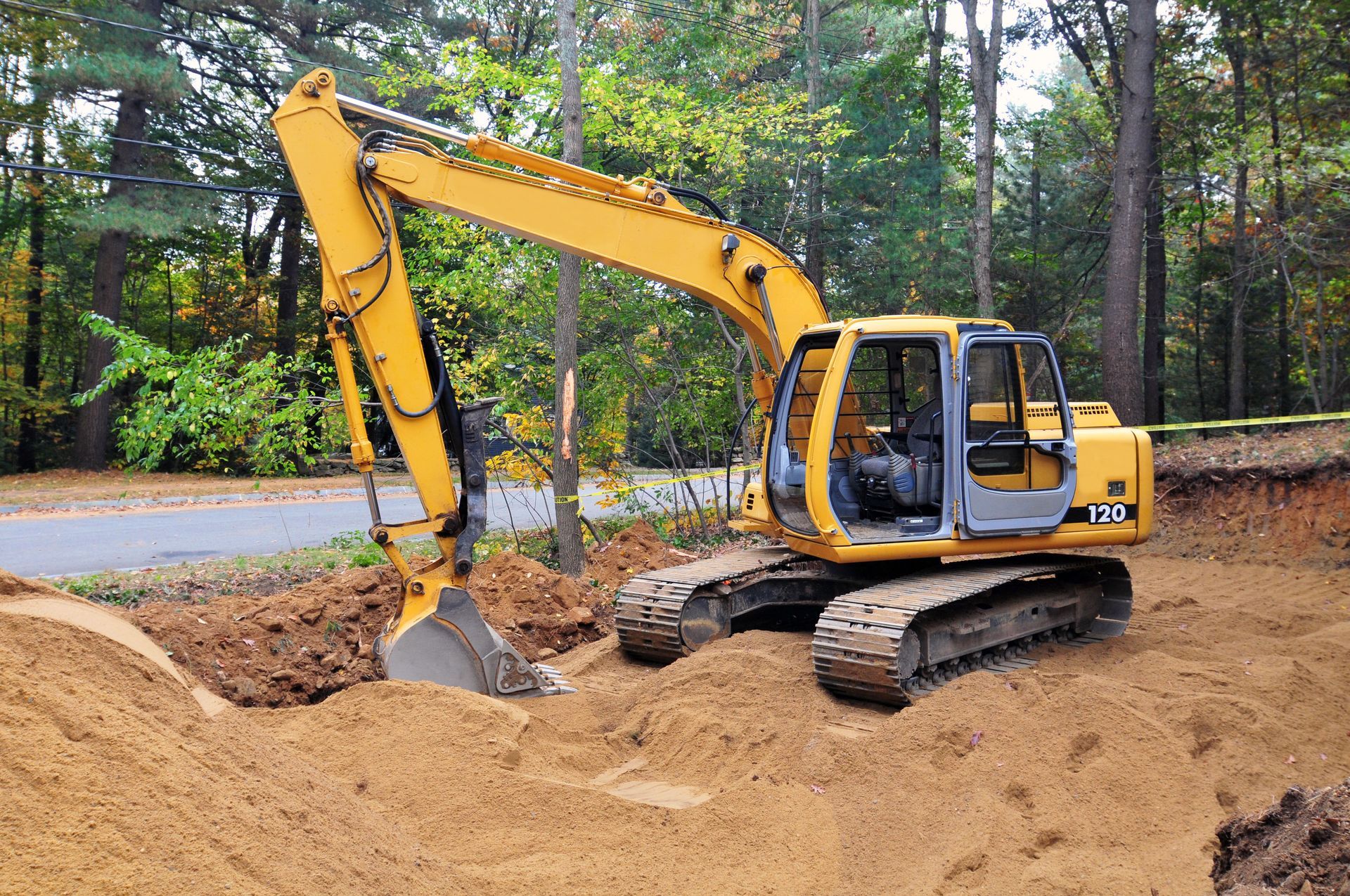
Every project requires different equipment and techniques, and selecting the right tools is a key element of successful demolition. A seasoned demolition contractor knows when to use excavators, bulldozers, cranes, handheld tools, or specialized machinery designed for tight or confined spaces. In large-scale projects, the contractor may employ mechanical demolition methods to break down reinforced concrete or steel components, while smaller or more delicate structures might require manual dismantling to preserve surrounding areas. In unique situations, controlled implosion can be utilized, although this method demands exceptional precision, extensive pre-planning, and substantial safety oversight. The choice of technique hinges on the building’s size, the materials involved, surrounding structures, and the overall project goals. This level of customization ensures that demolition activities stay efficient while minimizing disruption.
Safety protocols also factor heavily into equipment selection. Workers must follow strict standards for dust control, hazardous materials handling, fire prevention, machinery operation, and noise reduction. Sites may require protective barriers, negative air systems, or temporary scaffolding to shield pedestrians or adjoining properties. This attention to safety not only protects workers but also safeguards nearby businesses, homes, and roadways. By combining modern equipment with the right technique, a professional demolition contractor keeps efficiency and safety at the forefront while delivering results that meet regulatory, environmental, and client expectations.
Preparing The Site For Demolition
Before demolition begins, the site must be fully prepared. This step includes securing the perimeter with fencing or barriers, blocking off restricted areas, and staging equipment for easy access. A professional demolition contractor ensures all utilities—such as water, gas, and electricity—are safely disconnected to prevent accidents.
Site preparation also includes documentation, permits, and safety briefings. Depending on the circumstances, environmental mitigation measures may be implemented, such as dust suppression, erosion control, or hazardous waste handling. Clear, focused preparation reduces risks and delays once demolition work begins.
Executing The Demolition Work
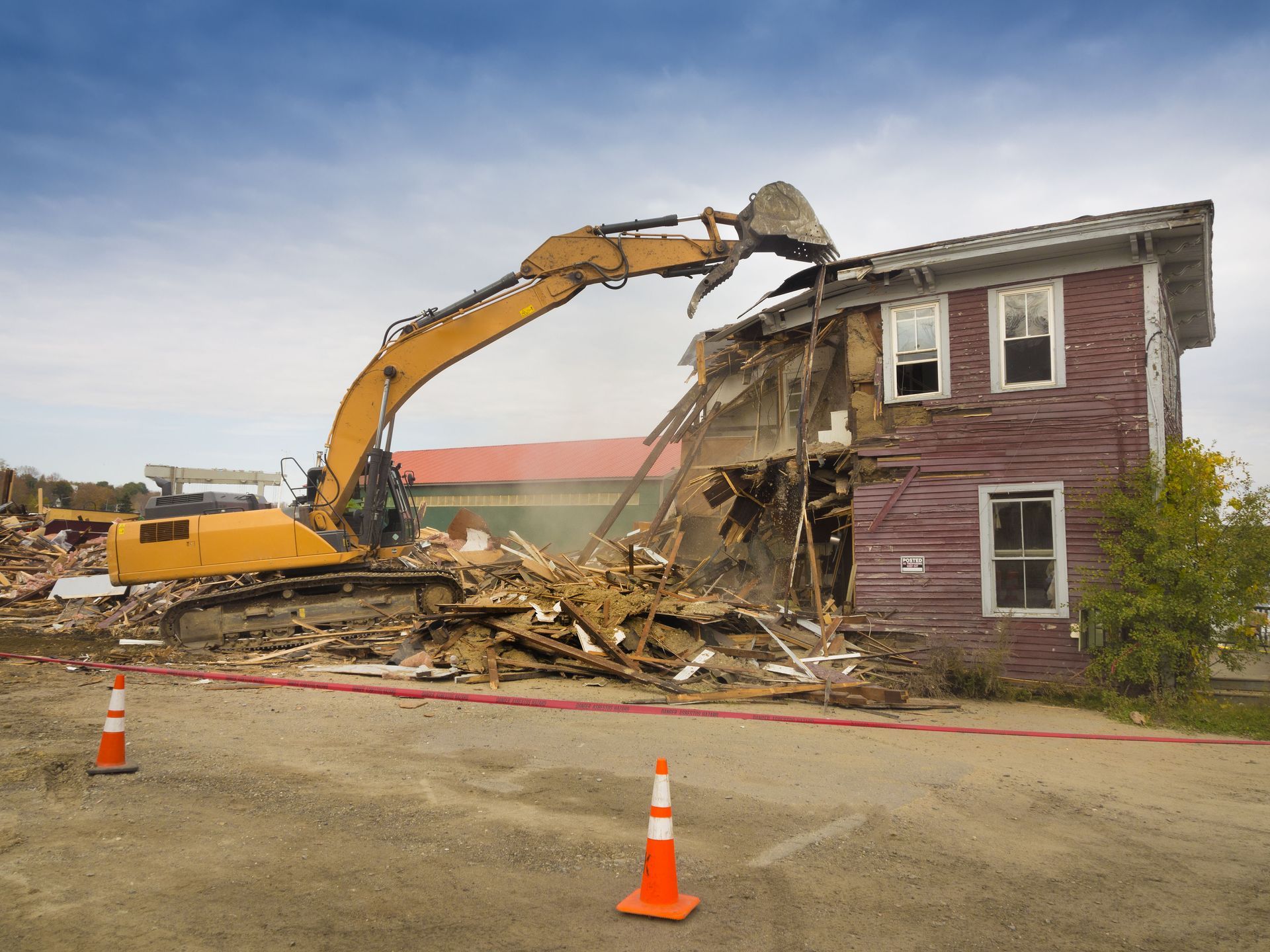
This is where planning meets execution. The demolition contractor carries out the demolition plan, working methodically to bring down the structure safely and efficiently. Depending on the structure, this may involve working from the top down, segmenting the building into manageable sections, or removing components in phases.
Throughout the process, the contractor continuously monitors progress to address unexpected issues—such as weather, hidden damage, or structural instability. Regular on-site supervision helps resolve problems in real time, keeping the project on track. Once demolition is complete, debris removal begins, clearing the site for reconstruction, new development, or property transfer.
Maintaining Clear And Ongoing Communication
Good communication is one of the biggest advantages of hiring a professional demolition contractor. Clients receive frequent updates, progress reports, and notices of any schedule changes or unexpected findings. This transparency builds trust and allows both sides to make informed decisions throughout the project.
By maintaining open dialogue, the contractor can quickly adjust the plan if challenges arise. Questions get answered faster, problems are solved sooner, and the project avoids costly delays. Many clients appreciate this collaborative approach because it keeps them involved without placing heavy demands on their time.
Final Inspection And Project Wrap-Up
Once demolition and cleanup are completed, the contractor conducts a final walkthrough with the client. During this phase, the demolition contractor verifies that the project meets agreed-upon quality standards, all regulatory requirements are satisfied, and the site is ready for its next stage of development.
Debris disposal and recycling are also reviewed, ensuring environmentally responsible handling of materials. The contractor may also provide documentation, compliance certifications, or final reports depending on the scope of the project. For many clients, this final step provides closure and confidence that the project has been completed correctly, safely, and professionally.
Working with a professional demolition contractor gives clients peace of mind knowing that the project is carefully planned, safely executed, and handled with regulatory compliance. From initial consultation through final cleanup, the partnership delivers structure, communication, and results that matter. Whether the project is residential, commercial, or industrial, professional expertise can make a complex process appear seamless.
If you are ready to work with a team that values quality craftsmanship, transparent communication, and safe demolition practices from start to finish, contact Sovereign Excavation & Construction Solutions today to discuss your project and begin planning your next steps.
Share On: